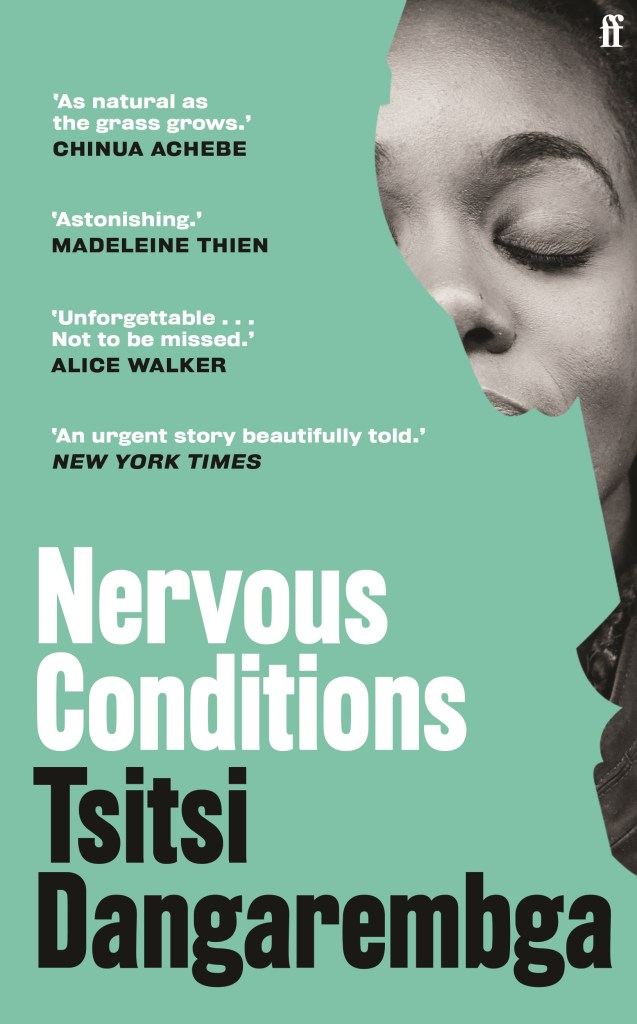
Nervous Conditions by Tsitsi Dangarembga was on the reading list when I started studying International Development at the Open University. It was the first time I had really delved into African literature of any kind, and what a rich seam of learning it opened up for me. At the time of publication (1988) – long before the rise of the outstanding Chimamanda Ngozi Adichie and her ilk – there were very few female black African novelists on our bookshelves.
Nervous Conditions tells the story of a young girl growing up in what was then rural Rhodesia, fighting for her right to education. It is an illuminating and engrossing read, beautifully crafted, describing the realities of growing up as a girl in a poor and deeply patriarchal society where access to basic services is fought for, and sometimes with tragic consequences.
The book, the first in a trilogy, is now regarded as a modern classic in the African literary canon. The final book in the set – This Mournable Body, a superbly ironic twist in the tale – was shortlisted for the Booker Prize 2022.
In the same year, the author was arrested in Harare, Zimbabwe. She was given a suspended prison sentence for staging a peaceful protest demanding more freedom for the media, saying that the space for freedom of expression in her country was under siege.
But her novels are accessible to all.
 P C Cubitt